
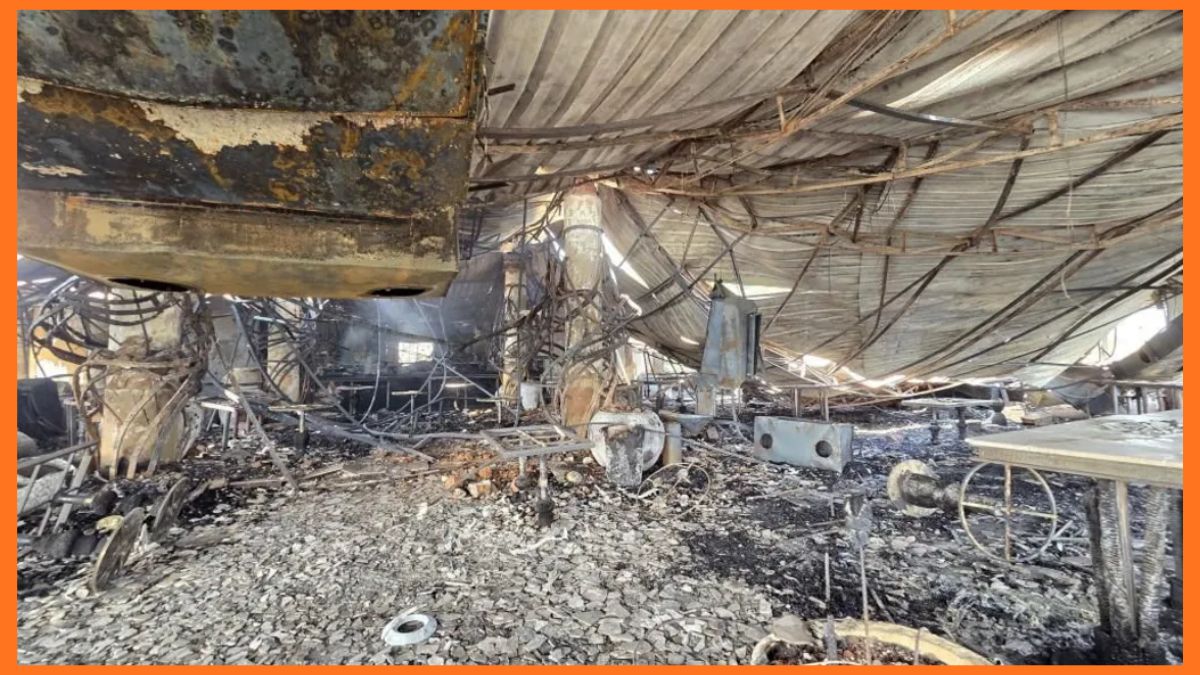
A devastating fire ripped through a bustling nightclub in Arpora, North Goa, shortly after midnight on Saturday, claiming the lives of 25 people, including both tourists and staff members. What began as a typical night of music and celebration quickly descended into horror as flames engulfed the club, trapping dozens in a structure later described by officials as a “death trap” due to multiple safety lapses and alleged illegal operations. The tragedy has since sparked national outrage, political blame-trading, and widespread demands for accountability.
Moments Before the Inferno
The nightclub, popular among young locals and visiting tourists, was reportedly hosting a special weekend event. Eyewitnesses recall the venue being packed, with loud music, bright lighting, and a festive atmosphere filling the two-storey establishment. According to several accounts, the fire began with a sudden, loud explosion—suspected initially to be either a gas cylinder blast or fireworks gone wrong during a stage performance.
Within seconds, flames shot through the upper level of the club, and thick smoke quickly enveloped the building. Survivors described scenes of chaos as people scrambled toward exits that were either blocked, locked, or too narrow to accommodate the rushing crowds. Those nearest to stairways or open doors managed to escape quickly, but many on the lower floor and basement found themselves trapped with no accessible escape routes.
A Rapidly Escalating Disaster
Firefighters reached the scene within minutes of receiving distress calls, but their efforts were slowed by narrow village roads and the lack of direct access to the club’s entrance. Fire engines had to halt several hundred meters away, forcing crews to drag hoses down cramped lanes while precious minutes ticked away.
By the time responders entered the building, most victims had already succumbed—not necessarily to the flames, but to intense smoke inhalation. Authorities later confirmed that only a few of the deceased showed severe burn injuries, whereas the majority died from suffocation, trapped behind shuttered doors or in parts of the club with no ventilation.
“As soon as the smoke hit, visibility dropped to zero,” said one survivor, who managed to escape through a side entrance. “People were shouting for help, but you couldn’t see anything, and there was just one narrow path out. It felt like the entire place was designed to trap us.”
Victims: Staff and Tourists Caught in the Flames
Out of the 25 casualties, a significant number belonged to the club’s workforce—kitchen staff, servers, and security guards—many of whom were stationed in the lower levels of the building when the smoke circulated downward. At least four tourists also died, with identification efforts still ongoing for seven victims whose bodies were severely affected by smoke exposure.
Six people sustained injuries and were rushed to nearby hospitals, where they remain under observation. While most are reported to be stable, mental trauma and respiratory complications are expected to take longer to recover from.
Safety Violations Come to Light
Soon after the flames were extinguished and rescue operations concluded, a troubling narrative began to unfold—one suggesting that the nightclub had been operating with inadequate safety measures, lapsed permissions, and even prior warnings from local authorities.
Investigators revealed that:
- The club lacked mandatory fire-safety clearances.
- Its basement, where many victims were discovered, did not have compliant emergency exits.
- Fire extinguishers onsite were reportedly non-functional or insufficient.
- A demolition notice had been issued months earlier due to structural violations and unauthorized extensions.
Although a stay order from a higher authority had temporarily halted actions against the club, critics argue that the very existence of such notices should have been enough to force a shutdown until compliance was restored.
Arrests and Political Repercussions
In the immediate aftermath, police arrested the club’s general manager and issued warrants for the owners, promising strict legal action under charges of culpable homicide and negligence. Officials claim that the investigation will be comprehensive, probing not only the club’s management but also government departments responsible for oversight.
Chief Minister Pramod Sawant announced a full magisterial inquiry, vowing that “no one responsible will be spared,” and expressing condolences to the families of the deceased. However, opposition parties have seized the moment to highlight alleged regulatory corruption, claiming that illegal venues continue to thrive due to bribery and weak enforcement mechanisms.
Members of the Aam Aadmi Party (AAP) and Congress have both accused the ruling government of failing to act despite repeated warnings about unsafe nightlife establishments in tourist corridors.
Impact on Goa’s Tourism Image
Goa’s identity as India’s premier beach and nightlife destination has taken a considerable hit. The state relies heavily on tourism, and incidents like this threaten not only economic stability but also global perception. Travel forums and social media have already seen concerned discussions from potential visitors questioning the safety of entertainment facilities.
Local business associations fear a temporary decline in footfall, particularly among international tourists who prioritize safety in recreational spaces. At the same time, they are urging the government to undertake urgent safety audits rather than impose sweeping bans that could cripple the industry.
A Call for Systemic Reform
Urban safety experts argue that the tragedy is emblematic of a larger, persistent issue: a culture of overlooking building codes and fire safety norms in pursuit of profit. The rapid growth of nightlife establishments in Goa—often in repurposed or hastily expanded structures—has outpaced regulatory mechanisms.
Several advocacy groups are now pushing for:
- Mandatory annual fire-safety certifications
- Random inspections without prior notice
- Closure of establishments operating without up-to-date licenses
- Public transparency regarding safety-compliant venues
They insist that without structural reform, such disasters will recur.
Families Mourn, Community Reflects
For the families of the victims, no amount of inquiries, arrests, or political statements will undo the loss. Many relatives arrived at morgues through Sunday and Monday, identifying bodies, collecting personal belongings, and confronting the unimaginable grief of sudden, preventable death.
Vigils have begun across Goa, with candles lit for the victims in beaches, churches, and local squares. Community leaders have urged solidarity and compassion, while also calling for sustained pressure on the state to ensure accountability.