
Delhi woke up to chaos on May 25 as an overnight thunderstorm brought life to a grinding halt across the capital. The sudden and intense downpour, accompanied by strong winds and lightning, flooded major roads, disrupted air travel, and tragically claimed four lives.
The India Meteorological Department (IMD) had issued a red alert warning of severe thunderstorms and heavy rainfall across the city. While authorities activated emergency protocols, the storm’s sheer intensity revealed how unprepared Delhi remains in the face of extreme weather.
Flight Operations Disrupted
The Indira Gandhi International Airport saw severe disruptions as stormy weather conditions affected visibility and safety for aircraft operations. A total of 49 flights were diverted to alternate airports, including Jaipur and Lucknow. Many passengers endured long delays, either onboard aircraft or in terminal waiting areas.
Flight delays carried into the next morning, as airports scrambled to handle the diverted planes and restore normal operations. “It was chaotic—no announcements, no assistance,” said Anita Raj, who was flying into Delhi from Mumbai. “We had no idea where we were landing until the pilot informed us we were heading to Jaipur.”
The storm also damaged infrastructure at the airport. A section of the Terminal 3 canopy was torn off by the winds, prompting concern over the resilience of even newer structures during extreme weather.
Streets Turn Into Canals
The downpour led to widespread urban flooding, with major arteries of the city underwater for several hours. Minto Road, Lajpat Nagar, South Extension, and the Dwarka underpass were among the hardest hit. As water rose above the wheels of vehicles, traffic came to a standstill.
Auto-rickshaws, buses, and two-wheelers struggled to navigate the submerged roads. Some commuters had to abandon their vehicles altogether. Social media was flooded with images of stranded cars and pedestrians wading through knee-deep water.
Despite claims by municipal bodies about pre-monsoon desilting of drains, the scale of flooding indicated major lapses. “Every year it’s the same problem,” said Suresh Mehta, a shop owner in Patel Nagar. “We suffer losses and get no compensation.”
Loss of Life in Dwarka
Amid the storm’s chaos, a tragic incident occurred in Kharkhari village in the Dwarka area. A tree, uprooted by high winds, collapsed onto a tubewell room where five people had taken shelter. Four of them died on the spot, while the fifth was hospitalized with serious injuries.
The Delhi Fire Service and police responded quickly but were unable to save those trapped under the debris. The incident has sparked discussions about the urgent need to audit old trees and prune weak branches before the monsoon season begins.
Power Cuts and Public Inconvenience
With electric poles damaged and transformers short-circuited, several neighborhoods faced prolonged power outages. Areas such as Janakpuri, Jangpura, and parts of East Delhi remained without electricity for much of the morning. The lack of power also disrupted water supply in many buildings, compounding the public’s discomfort.
Mobile networks and internet services also suffered temporary blackouts, causing communication breakdowns. For elderly residents and people working from home, the outage brought additional challenges.
Government Response and Public Backlash
Municipal agencies and the Delhi government faced criticism for their reactive approach. While the Public Works Department (PWD) deployed pumps and manpower to flooded areas, many locals said help came too late.
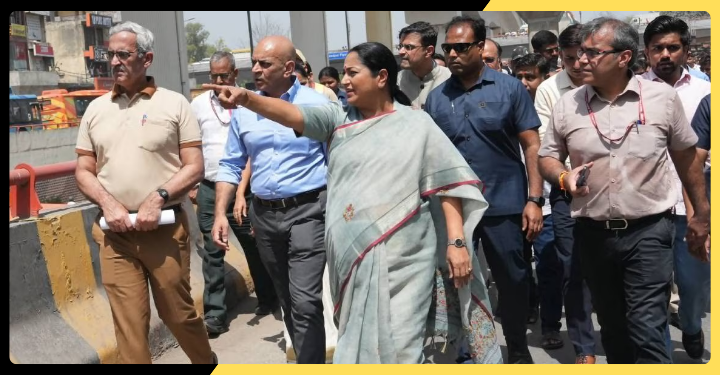
Delhi’s Lieutenant Governor visited several affected areas and assured residents of swift action. PWD officials promised that major drains would be cleaned again before monsoon intensifies. However, public trust remains low.
“Every year we see these inspections and promises, but the results are always the same,” said environmental activist Deepa Joshi. “We need accountability, not just site visits.”
Meteorological Insights
The IMD described the storm as part of a larger pattern of intense pre-monsoon activity influenced by western disturbances. Scientists warned that such localized but high-intensity weather events are increasing due to climate change and urban heat dynamics.
Dr. Manav Ahuja, a climate researcher, explained: “Rapid urbanization and poor land use planning make cities like Delhi highly vulnerable to storm damage. As climate systems become more volatile, these events will become more frequent.”
Moving Forward: Prevention Over Panic
The storm highlighted how climate adaptation must move from conversation to implementation. Experts say that Delhi needs better stormwater infrastructure, tree and building audits, real-time disaster coordination centers, and proactive public communication.
With monsoon season just weeks away, the lessons from this storm should serve as a wake-up call. The question is: Will Delhi act before the next one strikes?