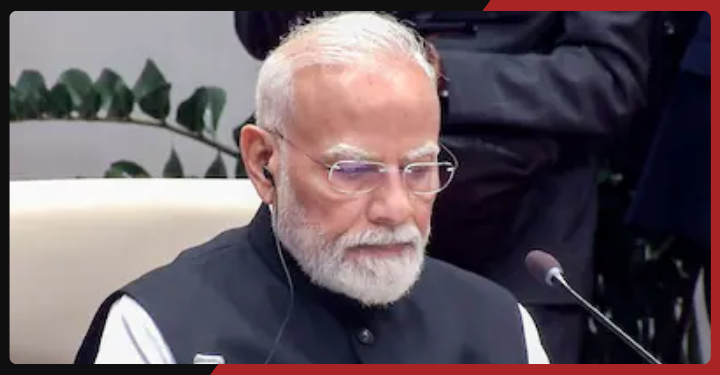

Indian Prime Minister Narendra Modi will participate in the 2025 G7 Summit in Canada’s Kananaskis region this month, where leaders of the world’s most developed economies will convene to chart strategies for tackling a host of complex global challenges. Scheduled for June 15–17, the summit is being hosted by Canada, which currently holds the G7 presidency.
Though India is not a formal member of the G7, its inclusion as a guest nation underlines its growing importance in global policymaking. Canada’s invitation to Modi is part of a deliberate effort to broaden the dialogue at the summit and include voices from emerging and developing economies. Prime Minister Mark Carney, Canada’s recently elected leader, emphasized that India’s contributions would be essential to the success of this year’s discussions.
“India’s development experience and its commitment to inclusive growth make it a key partner in shaping our shared future,” Carney said at a recent press event. “We welcome Prime Minister Modi to the table.”
The summit will focus on several global issues that require collaborative leadership, including energy security, economic recovery, digital ethics, and climate adaptation. Modi is expected to bring to the table India’s successful policies in renewable energy, digital public infrastructure, and equitable development.
India has made rapid progress in implementing clean energy initiatives—ranging from large-scale solar parks to hydrogen-based energy programs. At the summit, Modi is likely to showcase these efforts as proof that development and environmental responsibility can go hand in hand. Additionally, his call for climate justice—emphasizing differentiated responsibilities for developed and developing countries—is expected to resonate.
On the digital front, India’s success with platforms like Aadhaar, UPI, and CoWIN will serve as case studies in how technology can be harnessed to deliver services at scale. Modi may urge G7 nations to support the global adoption of secure, open-source digital public goods—particularly in the Global South.
Modi’s participation also has a symbolic edge. Coming off the success of India’s G20 presidency in 2023, his presence at the G7 further consolidates the country’s role as a global convener. India’s development agenda—focusing on equitable growth, accessible healthcare, and affordable finance—is likely to shape a significant portion of the summit’s discourse.
The setting for the 2025 summit—Kananaskis, Alberta—adds an element of tranquility and seclusion, providing world leaders the space to hold candid conversations. The region last hosted a major summit in 2002 and was praised for enabling focused diplomatic work free from media noise and protest activity.
Bilateral meetings on the sidelines of the summit are also in the spotlight. Modi is expected to meet leaders from the U.S., Japan, and the UK, among others, to explore cooperation in trade, defense, and technology. India’s growing middle class and tech sector make it a natural partner for many G7 countries.
Foreign policy analysts say India’s attendance is more than ceremonial—it signals a shift in how global forums operate. “We are entering a multipolar world, and India’s voice matters more than ever,” said Dr. Ananya Joshi, a global affairs scholar. “Modi is using this opportunity to make the case for reimagined international cooperation.”
The world will be watching as Modi brings India’s development-first message to the mountain-top summit. His presence not only reflects India’s aspirations but also its readiness to co-author the next chapter of global governance.